Professional Teeth Whitening: Cost, Results and How Long It Lasts (Just in Time for the Holidays)
Professional whitening can lighten natural teeth several shades and usually lasts from six months to a couple of years. How long yours lasts depends far more on coffee, red wine, and touch-ups than on the visit itself.
For holiday photos, book by mid-November so any sensitivity has time to settle before Thanksgiving.
up stains inside the enamel, lifting natural teeth several shades in one visit or over a few weeks. Results typically last six months to two years, the cost depends mainly on the method you choose, and crowns, veneers, and fillings do not change color.
QUICK ANSWER
Expect a noticeably brighter smile after one appointment, and results that hold for a year or more if you touch up. Book a few weeks before your first holiday event, not the week of.
Key Takeaways
- In-office whitening works fastest; custom take-home trays work slower but are easier to maintain.
- Whitening only changes natural enamel, so crowns, veneers, and fillings stay the same shade.
- Temporary sensitivity is the most common side effect and usually fades within a few days.
- Results last longest with touch-up gel, a straw for dark drinks, and regular cleanings.
Every December, the same thing happens at our front desk. Someone sees a family photo from last year, notices their teeth look more beige than they remembered, and calls asking if we can fix it before Saturday.
We usually can. But teeth whitening in Rancho Bernardo goes better with a little runway, so here is what to expect on cost, results, and timing before the holiday calendar fills up.
How Does Professional Teeth Whitening Work?
Professional whitening places a peroxide-based gel on your teeth, and the peroxide breaks large stain molecules inside the enamel into smaller, less visible pieces. Your dentist controls the concentration, protects your gums, and checks first for cavities or worn enamel that whitening could irritate, which is the main difference from store-bought kits.
The American Dental Association describes it simply: whitening bleaches break stains into smaller pieces, which makes the color less concentrated. Most professional systems use hydrogen peroxide or carbamide peroxide, which releases hydrogen peroxide more slowly.
There are two professional routes:
- In-office (chairside) whitening uses a higher-concentration gel applied in one appointment, with your gums shielded.
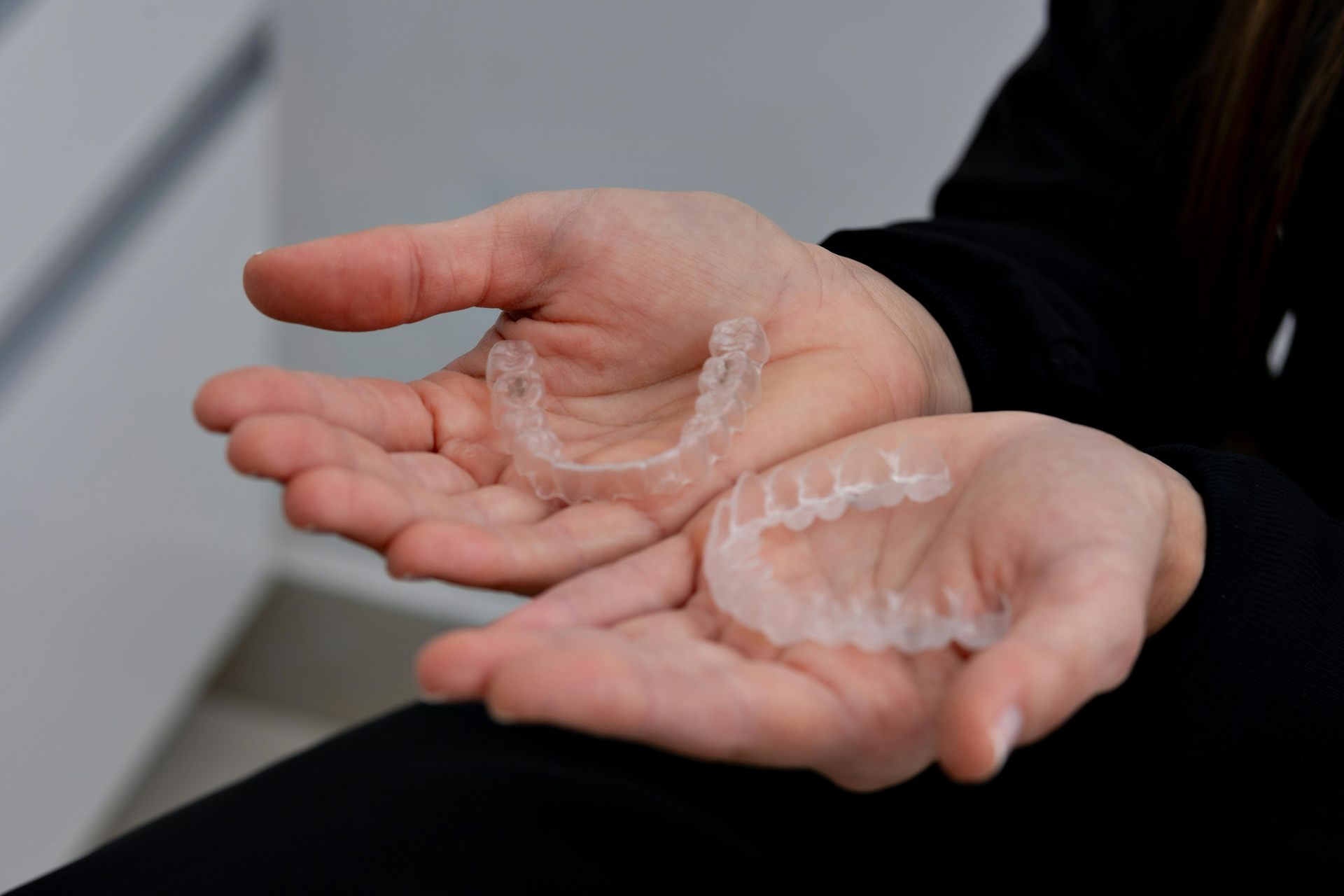
- Custom take-home trays are made from a scan or impression of your teeth and worn with a lower-strength gel over several days to a few weeks.
Many patients use both. The in-office session does the heavy lifting, and the trays handle touch-ups afterward.
How Much Does Professional Teeth Whitening Cost?
The cost of professional whitening depends on four things: in-office versus take-home treatment, whether both upper and lower teeth are treated, whether custom trays and touch-up gel are included, and whether an exam is required first. Dental insurance rarely covers whitening because it is considered cosmetic, so the fee is usually paid out of pocket.
At our Bernardo Center Drive office, in-office whitening includes custom take-home trays and gel. Patients in our Whitening for Life program receive a gel syringe at each cleaning appointment to keep results fresh.
When you compare quotes, check what is included:
| What to ask | Why it matters |
|---|---|
| Are custom trays included? | Trays are what make touch-ups inexpensive later |
| Is touch-up gel included or extra? | Maintenance is where long-term cost adds up |
| Is an exam required first? | Untreated cavities or recession can make whitening painful |
| Upper and lower teeth, or one arch? | Some low quotes cover only one |
What Results Can You Realistically Expect?
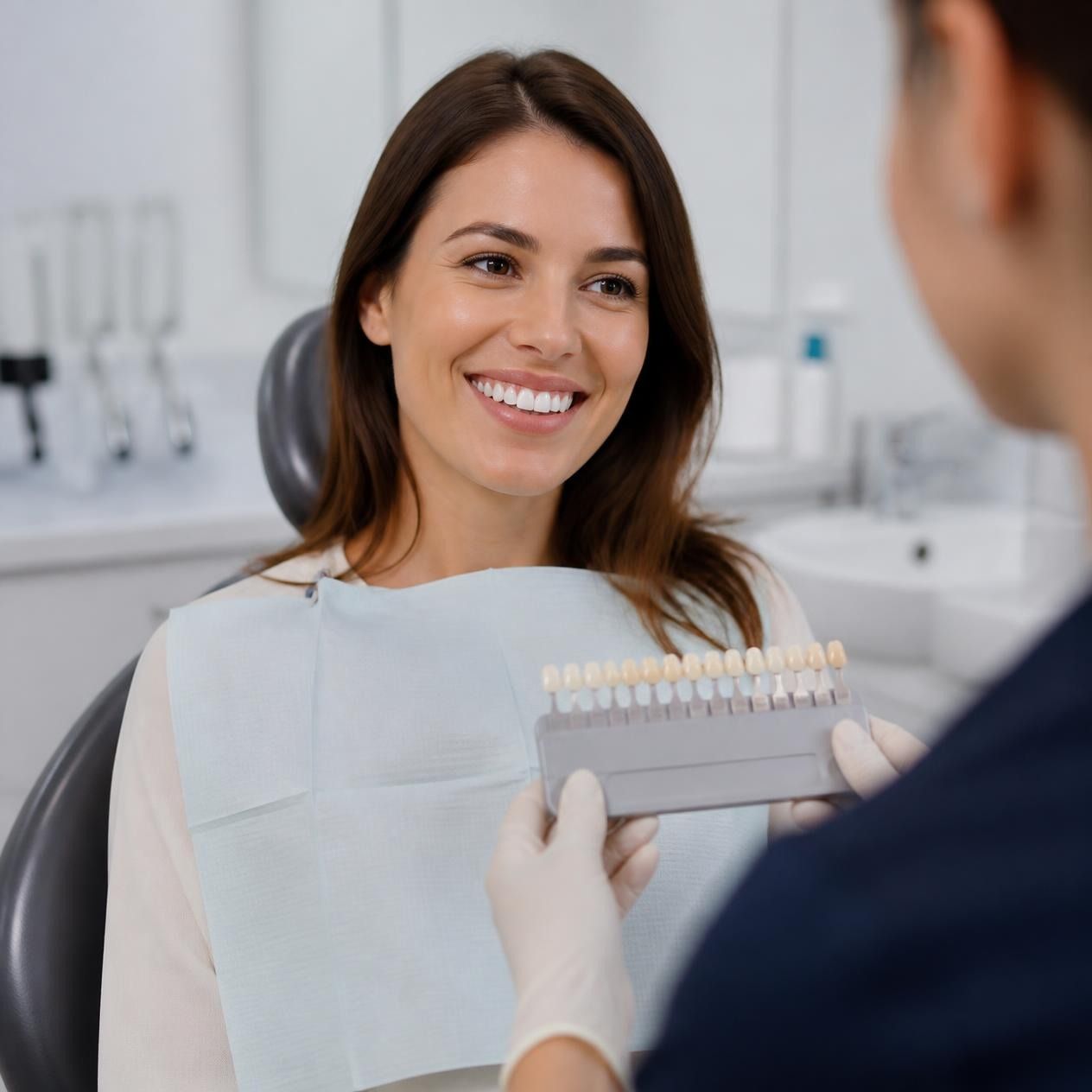
Most people see a clearly brighter smile after one in-office session, often several shades lighter. Results vary with the type of stain: yellowish discoloration responds well, while gray tones from certain medications or past trauma lighten less, and existing dental work keeps its original color.
That last point matters if you have visible crowns, veneers, or bonding. Whitening will not change the color of restorations, so whitening around them can make them look darker by comparison.
If a front crown or filling is in play, plan the order. We usually whiten first, let the shade settle, then match any new dental work to the brighter teeth.
ADA News also flags the main trade-off. In-office treatment works faster but can cause more intense sensitivity for a few days than slower take-home trays.
How Long Does Professional Teeth Whitening Last?
Professional whitening typically lasts six months to two years, and the ADA notes it can hold for more than a year with good habits. The biggest factors are what you drink, whether you smoke, and whether you touch up, because the same foods that stained your teeth originally will gradually stain them again.
Here is what keeps results looking fresh longest:
- Use a straw for coffee, iced tea, soda, and red wine.
- Rinse with water after dark foods and drinks, especially at holiday dinners.
- Skip very dark foods and drinks for the first 48 hours, while teeth are most absorbent.
- Wear your take-home trays for a short touch-up every few months.
- Keep up with professional cleanings to remove surface stain before it builds.
Cranberry sauce, red wine, coffee, and dark chocolate all show up on holiday tables. A straw and a glass of water do more for your results than any special toothpaste.
For a closer look at why dentist-supervised whitening outlasts the quick fixes, see our comparison of dentist-supervised whitening vs. mall kiosks and spas.
When Should You Whiten Before the Holidays?
Book professional whitening two to three weeks before your first big event, which gives sensitivity time to settle, lets the shade stabilize, and leaves room for a take-home touch-up if you want to go a little brighter. For Thanksgiving on November 26, 2026, aim to whiten by about November 10.
A simple holiday timeline:
| When | What to do |
|---|---|
| Late October | Exam and cleaning; confirm you are a good candidate |
| Early to mid-November | In-office whitening and take-home trays |
| Late November | Thanksgiving photos; touch up with trays if needed |
| Mid-December | Short tray touch-up before Christmas and New Year's events |
December books up fast as many patients rush to use their dental benefits before they reset. If you want a specific date, it is worth booking it now.
Is Teeth Whitening Safe, and Who Should Wait?
Dentist-supervised whitening is considered safe for most adults with healthy teeth and gums, and the most common side effects are short-term tooth sensitivity and mild gum irritation. Some people should wait or choose another option, including anyone with untreated cavities, gum disease, or significant enamel wear, and those who are pregnant or nursing.
The ADA explains that sensitivity happens when peroxide reaches the dentin layer and irritates the nerve. It is usually temporary, and a desensitizing toothpaste started a week or two beforehand often helps.
This is also why an exam comes first. Whitening over an open cavity or exposed root surface can be genuinely uncomfortable, and that is easy to prevent.
Frequently Asked Questions
How much does teeth whitening cost at a dentist?
The fee depends on the method, whether both upper and lower teeth are treated, and whether custom trays and touch-up gel are included. At our Rancho Bernardo office, in-office whitening includes custom take-home trays. Dental insurance usually does not cover whitening because it is considered cosmetic.
How long does professional teeth whitening last?
Professional whitening usually lasts six months to two years. It lasts longest when you limit coffee, tea, red wine, and tobacco, use a straw for dark drinks, and touch up with custom trays every few months between regular cleanings.
How many shades lighter will my teeth get?
Results vary by the type of staining, but in-office whitening often lightens natural teeth by several shades in a single visit. Yellow stains respond best, while gray stains from medication or trauma lighten less and may need a longer course with take-home trays.
Does teeth whitening hurt?
Whitening itself is not painful, but temporary sensitivity is common for a day or a few days afterward. Using a desensitizing toothpaste before treatment and avoiding very hot or cold foods for a couple of days usually keeps it manageable.
Will whitening work on my crowns or veneers?
No, whitening gel changes the color of natural enamel only, so crowns, veneers, bonding, and fillings stay their original shade. If you have visible restorations, your dentist can plan whitening first and match any replacement work to the new shade.
How far before the holidays should I whiten my teeth?
Plan on two to three weeks before your first event, which leaves time for any sensitivity to fade and for the shade to settle. For Thanksgiving 2026, that means whitening by about November 10, with a tray touch-up before December gatherings.
Meet Your Rancho Bernardo Dentist
James Spalenka, D.D.S., F.A.G.D., has cared for patients in the San Diego area for 36 years. He is a Fellow of the Academy of General Dentistry and holds a Master's degree in Implantology.
Rancho Bernardo Dentistry is at 16766 Bernardo Center Drive, Suite 105, San Diego, CA 92128. We see patients from Rancho Bernardo, 4S Ranch, Poway, Carmel Mountain Ranch, and across North County San Diego.
Get Your Holiday Smile on the Calendar
Whitening in the second week of November gives sensitivity time to settle before Thanksgiving and leaves room for a tray touch-up before December events. And if you are the person calling about Saturday, call anyway: one in-office visit still makes a visible difference, just with less margin.
If you are looking for a
dentist in Rancho Bernardo to brighten your smile before the holidays,
book your whitening appointment online or call (858) 293-4848.
James Spalenka, D.D.S., F.A.G.D.
16766 Bernardo Center Dr., Ste. 105 San Diego, CA 92128 USA
CALL US: (858) 487-9444
This article is general information and not a substitute for a clinical examination or personal dental advice.