5 Differences Between Veneers and Crowns in San Diego
Dental veneers and crowns differ primarily in coverage and purpose. Veneers are ultra-thin porcelain shells bonded to the front of a tooth to correct cosmetic imperfections. In contrast, dental crowns are thicker caps covering the entire tooth structure above the gumline to restore severely decayed, cracked, or broken teeth.
If you are staring in the bathroom mirror, noticing a chipped, discolored, or slightly crooked tooth, you are likely wondering how to fix it without spending weeks in a dental chair. Choosing the wrong restorative treatment can mean losing more natural tooth structure than necessary or, conversely, picking a cosmetic fix that doesn't protect a structurally damaged tooth.
Before diving into the detailed breakdown, here are the core facts you need to know:
Key Takeaways: Veneers vs. Crowns
- Veneers are strictly cosmetic, ultra-thin facings that alter the color, shape, and alignment of healthy front teeth.
- Crowns are restorative helmets that wrap around a compromised tooth to protect it from fracture after a root canal or severe decay.
- Enamel preservation is significantly higher with veneers, requiring less than a millimeter of preparation.
- Longevity relies heavily on your bite mechanics, oral hygiene, and the clinical precision of your practitioner.
1. Porcelain Material Thickness & Cosmetic Application
When you look into cosmetic dental work like veneers in San Diego, the physical characteristics of the porcelain matter immensely. While both restorations use high-grade dental ceramics, the engineering behind those materials differs significantly.
Porcelain engineered for veneers is crafted into a translucent, ultra-thin shell measuring 0.3-0.5mm—comparable to the contact lenses you wear. The American Dental Association (ADA) notes that modern dental porcelain mimics the natural translucent, light-reflecting properties of real human enamel. This thinness allows our laboratory ceramists to create an incredibly lifelike appearance without adding bulk to your smile.
Dental crowns require a much more robust porcelain configuration. Because crowns are designed to withstand heavy chewing forces in the back of the mouth, the ceramic walls must be significantly thicker—typically between 1.5mm and 2.0mm. This porcelain is frequently fused to a high-strength zirconia framework.
The bottom line is simple: veneer porcelain focuses entirely on surface aesthetics and light refraction, while crown porcelain balances appearance with extreme structural durability.
2. Preservation of Your Natural Tooth Enamel
One of the most frequent conversations we have at our Rancho Bernardo office revolves around how much tooth structure is altered during treatment. Preserving your natural enamel is essential for the long-term vitality of your teeth.
The clinical process for veneers is exceptionally conservative. When prepping a tooth for a veneer, a dentist in Rancho Bernardo removes only a minute layer of front-facing enamel. In many cases, this involves shaving off a fraction of a millimeter, keeping the restoration completely within the hard outer enamel layer of the tooth. This minimal reduction means you experience little to no post-operative sensitivity.
Crowns demand a completely different approach. Because a crown must encompass the entire tooth to protect it from cracking, significant tooth reduction is required. Any existing decay, old silver fillings, and weak enamel walls must be removed.
Guidelines from the Mayo Clinic emphasize that structural tooth reduction for crowns is necessary to create a stable, retentive shape for the final restoration. If you have a structurally sound tooth with minor surface stains, aggressive crown prep is unnecessary; a conservative approach using veneers is the healthier choice.
3. Coverage Extent: Front Shield vs. Full-Coverage Cap
The easiest way to visualize the difference between these two restorations is to look at how they fit over your tooth anatomy.
| Restoration Type | Coverage Area | Best Ideal For |
|---|---|---|
| Porcelain Veneer | Covers only the front surface of the tooth (like a facial shield). | Cosmetic Surface Flaws (stains, chips, minor gaps, slight misalignment). |
| Dental Crown | Encapsulates 360 degrees of the tooth structure above the gumline. | Structural Failure (extensive fractures, severe decay, post-root canal protection). |
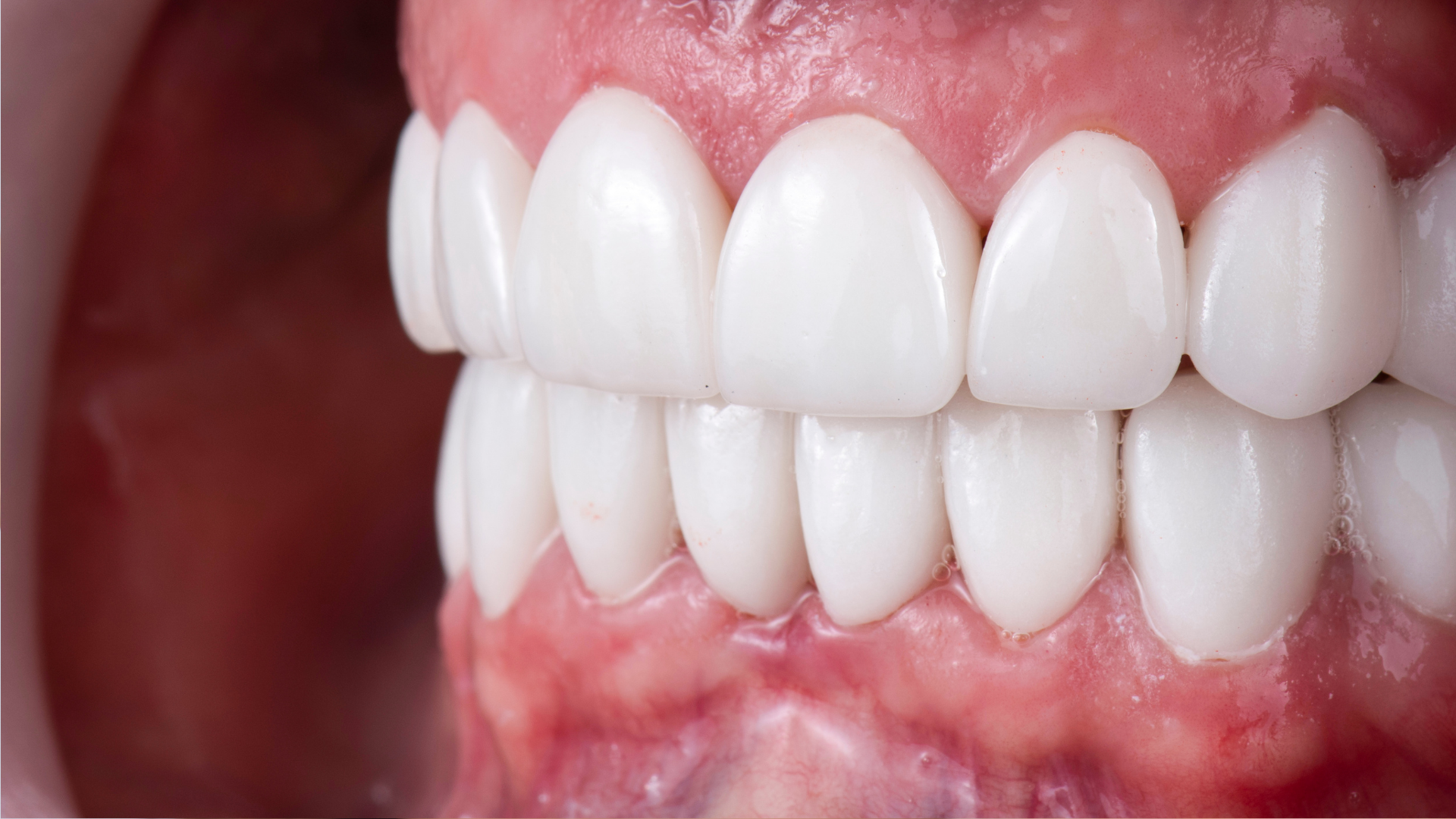
A porcelain veneer acts exclusively as a facial shield. It is permanently bonded to the front surface of the tooth—the side that shows when you laugh, speak, and smile. It does not wrap around the back or alter the mechanics of how your teeth chew together. This makes them the ultimate tool for masking cosmetic surface flaws, closing minor gaps (diastemas), and correcting slight alignment issues.
Conversely, a dental crown provides 360-degree protection. It covers the tooth from the gumline all the way to the biting surface. If your tooth has suffered an extensive fracture, has a large cavity that compromises the walls, or has undergone root canal therapy, a veneer cannot save it. You need the structural reinforcement of a full crown to keep the root from splitting under pressure.
4. Durability Lifespan and Long-Term Structural Integrity
Investing in cosmetic dentistry means you want results that stand the test of time. Both choices offer exceptional durability, but their survival rates depend on different mechanical factors.
With excellent home care, porcelain veneers routinely last between 10 to 15 years. Because they are bonded directly to stable enamel on the front of your teeth, they form an incredibly rigid bond. However, because they are thin, they can chip if subjected to unnatural shearing forces—such as biting your fingernails, opening packages with your teeth, or nocturnal teeth grinding (bruxism).
Dental crowns have an average lifespan of more than 20 years with proper care. Because they encase the entire tooth, they are protected against minor edge chipping. They transfer chewing forces evenly down the long axis of the root.
No matter which option fits your clinical needs, longevity is determined by your daily routine. Brushing twice a day with non-abrasive fluoride toothpaste, daily flossing, and visiting our office for routine preventive cleanings will keep the margins of your restorations pristine.
5. The San Diego Clinical Placement Procedure
The journey to transforming your smile follows a precise, state-of-the-art clinical workflow in our practice. We avoid assembly-line dentistry, tailoring every single step to your unique facial features.
Your Smile Transformation Journey
- Comprehensive Cosmetic Evaluation: We begin with an in-depth conversation about your aesthetic goals, taking high-resolution digital photographs and 3D intraoral scans to map your current bite and tooth alignment.
- Precision Tooth Preparation: Dr. Spalenka meticulously shapes the target teeth under high-powered clinical magnification, ensuring that only the absolute minimum amount of tooth structure is modified.
- Master Ceramic Impressions: Instead of messy, uncomfortable putty trays, we take clean digital impressions that are instantly transmitted to our local, world-class dental laboratory partners.
- Custom Temporary Phase: We hand-craft beautiful, comfortable temporary restorations for you to wear. This acts as a "test drive" for your new smile, allowing you to check the shape and feel before anything is permanently cast.
- Final Adhesive Bonding & Calibration: Once your custom porcelain arrives, Dr. Spalenka verifies the fit, color match, and facial symmetry. We then use advanced adhesive bonding protocols to permanently bond the porcelain to your natural tooth, followed by fine-tuning your bite for optimal comfort.
Why Dr. James Spalenka, DDS, is the Trusted Choice in Rancho Bernardo
Choosing between veneers and crowns isn't a decision you should make based on a Google search alone. It requires a highly trained clinical eye to evaluate your bite mechanics, the health of your enamel, and your long-term oral health goals.
Dr. James Spalenka, DDS, holds the prestigious title of Fellow of the Academy of General Dentistry (F.A.G.D.). This distinction is achieved by less than 6% of general dentists nationwide and requires passing a rigorous, comprehensive exam alongside completing over 500 hours of strictly vetted continuing education. This advanced training means Dr. Spalenka specializes in identifying exactly when a tooth can be treated conservatively with a porcelain veneer, or when it requires the protective strength of a crown.
Operating right here in the 92128 zip code, our team has spent decades providing long-lasting, beautifully natural smiles to families throughout Rancho Bernardo, Poway, and San Diego. We combine this clinical expertise with a warm, patient-first approach designed to make you feel completely relaxed from the moment you walk through our doors.
The bottom line is this: You don't have to guess which treatment is right for your smile. Let an expert guide you.
Schedule your comprehensive cosmetic consultation with Dr. James Spalenka, DDS, today and take the first step toward a healthy, radiant smile you can display with total confidence.
Disclaimer: This blog is intended for informational purposes only and should not be considered dental or medical advice. Treatment options, procedures, and results may vary based on individual oral health needs. Please consult a licensed dental professional for a personalized evaluation and treatment plan.