Finding an Invisalign Dentist in San Diego: How to Compare Providers Before You Commit
Dentist-supervised whitening starts with an oral exam, uses professional-strength peroxide gel with gum protection, and is customized to your teeth. Mall kiosks and spas skip the exam, often use lower-strength or unregulated gels, and are staffed by people with no dental license or training.
The price gap between the two reflects that difference, not just marketing.
Key Takeaways
- Mall kiosk staff typically have no dental license or health care training
- The ADA has consistently advised that whitening be performed under a dentist's supervision
- Dentist-supervised whitening includes an oral exam before treatment begins
- Some states have banned unlicensed whitening kiosks over safety concerns
- Custom-fitted trays and professional gel protect gums in ways kiosk treatments often don't
Everyone wants a brighter smile, and mall kiosks make it look easy: walk in, sit down, walk out with whiter teeth. But easy isn't always the same as safe.
Before you book a kiosk session, it's worth understanding what a dentist in Rancho Bernardo actually does differently — and why that difference matters more than the price tag suggests.
Why the Comparison Matters
Whitening treatments all rely on the same basic chemistry: hydrogen or carbamide peroxide breaking down stains on your enamel. That part isn't in dispute.
What differs is who's applying it, how strong it is, and whether anyone checked your mouth first. Those differences are exactly where things can go wrong.
What Happens During Dentist-Supervised Whitening
A dentist-supervised whitening treatment starts before any gel touches your teeth. Your dentist examines your teeth and gums first, checking for cavities, gum disease, or sensitivity issues that whitening could aggravate.
From there, treatment typically includes professional-strength gel applied under controlled conditions, plus custom-fitted trays made from an impression of your actual teeth. At Rancho Bernardo Dentistry, in-office whitening includes take-home trays and gel for touch-ups, and the practice's Whitening for Life program builds ongoing whitening into a patient's regular cleaning schedule.
What Happens at a Mall Kiosk or Spa
Mall whitening kiosks operate very differently. According to the Journal of the American Dental Association, kiosk staff often have no health care training and no license to provide dental services, even when they're dressed like professionals.
There's no oral exam before treatment starts, which means nobody is checking whether you have a cavity, exposed root, or gum issue that whitening gel could irritate. Some states have gone so far as to ban these kiosks outright over safety and licensing concerns.
The Real Risks: Gum Irritation, Uneven Results, and No Oral Health Screening
The most common complaints associated with unsupervised whitening are gum irritation and tooth sensitivity, both of which can occur when the gel isn't applied evenly or the tray doesn't fit properly. One-size-fits-all trays are a common culprit, since they don't account for the shape of your individual teeth and gumline.
There's also the screening gap. If you have untreated decay or a cracked tooth, whitening gel can make existing sensitivity worse — and a kiosk operator has no way to catch that before it happens.
Cost Comparison: Why the Price Difference Exists
Mall kiosks typically charge less than dental offices, and it's tempting to assume you're getting the same result for a lower price. You're not.
The cost difference reflects the oral exam, the custom tray fabrication, the professional-strength gel with gum protection, and a licensed provider overseeing the entire process. You're paying for the safeguards, not just the whitening itself.
Which Option Actually Protects Your Smile
If your goal is a brighter smile without gambling on gum irritation or uneven results, dentist-supervised whitening is the safer bet. It starts with a professional evaluating your mouth, not a walk-up kiosk guessing at your needs.
For patients who already keep up with regular dental visits,
teeth whitening in Rancho Bernardo fits naturally into that routine, rather than adding an unregulated variable to it.
| What to compare | Why it matters | What a good answer looks like |
|---|---|---|
| All-in price | Headline fees often exclude essentials | One figure, through to retainers |
| Refinements | Most common hidden cost | Included, with a stated limit or period |
| Retainers | Needed permanently | First set included, replacement cost quoted |
| Case volume | Planning skill comes from repetition | A specific number, given readily |
| In-person visits | Remote-only monitoring misses problems | Regularly scheduled reviews |
| Scope | Limited and comprehensive differ greatly | Clearly stated in writing |
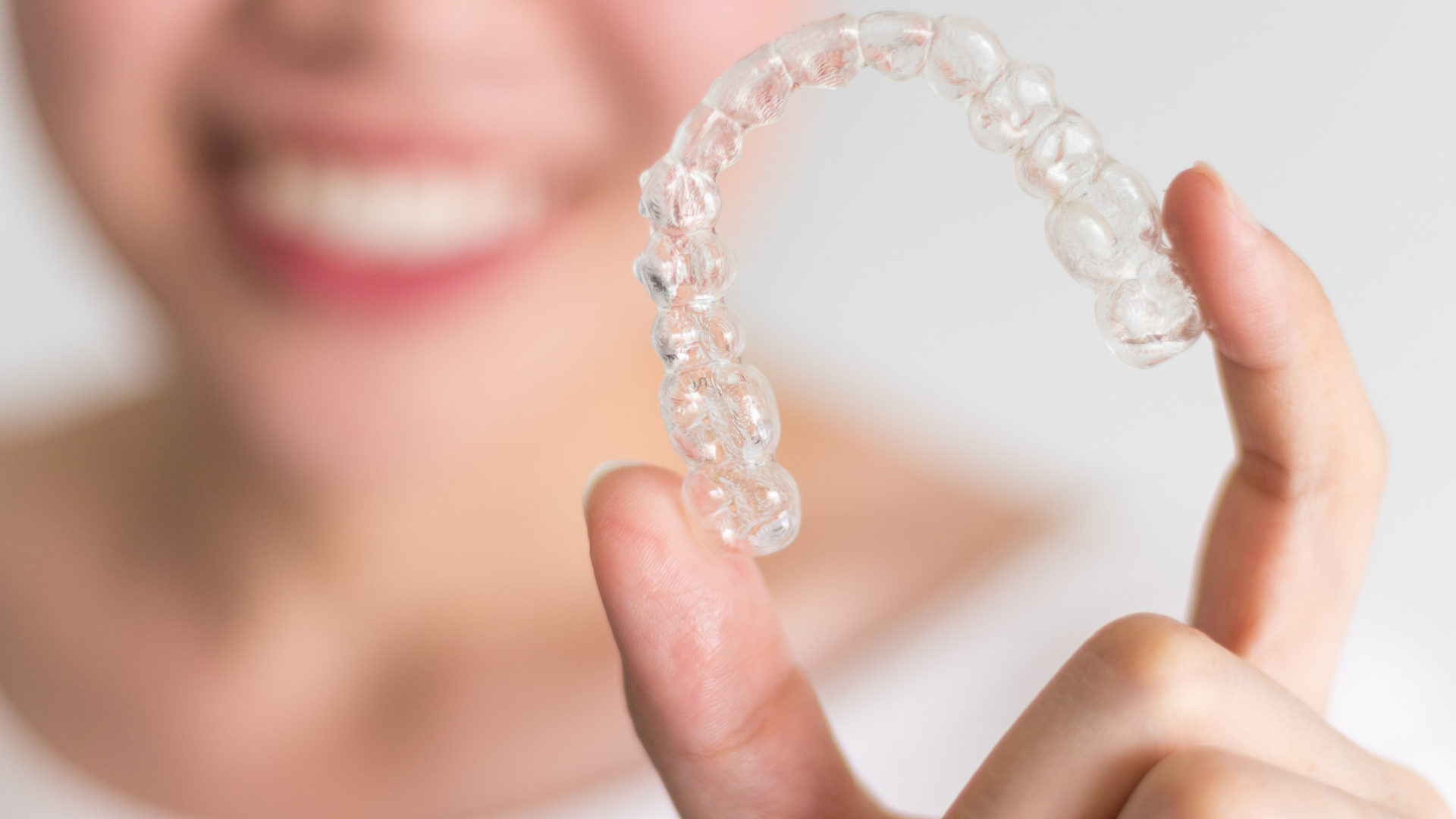
If you would like a written plan you can lay alongside others, that is exactly what an
Invisalign consultation in Rancho Bernardo is for — including the parts of the estimate other quotes may have left out.
Frequently Asked Questions
How do I get quotes for Invisalign from top dentists in Rancho Bernardo?
Book consultations with two or three providers and ask each for a written all-in estimate covering records, aligners, refinements, and retainers. Comparing verbal figures is unreliable, because providers include different items. Most practices offer an initial consultation to produce this.
Why do Invisalign prices vary so much between dentists?
Mainly because quotes cover different things. Refinements, retainers, records, and the number of in-person visits are included by some providers and billed separately by others. Case complexity and whether treatment is comprehensive or limited to the front teeth also affect the fee.
Is Invisalign from a general dentist as good as from an orthodontist?
It depends on the case and the clinician rather than the credentials. An experienced general dentist who treats aligner cases regularly is well-suited to straightforward correction. Complex bite problems may warrant an orthodontist. Ask how many cases like yours the provider treats each year.
What does Invisalign provider status mean?
The manufacturer assigns tiers based on how many cases a dentist has completed and how many cases they treat annually. Higher tiers indicate greater volume, which generally reflects planning experience. It measures quantity rather than outcomes, so treat it as one signal among several.
Does dental insurance cover Invisalign?
Many PPO plans include an orthodontic benefit for clear aligners, often with a lifetime maximum rather than an annual one. FSA and HSA funds can usually be used as well. Ask the practice to verify your specific coverage before you commit.
Do I need a dental check-up before starting Invisalign?
Yes. Aligners move teeth through bone, so active decay or gum disease should be treated first. A comprehensive exam with X-rays confirms your teeth and gums can support treatment, and identifies work that should be completed beforehand.
About the Practice
James Spalenka, D.D.S., F.A.G.D., has practiced in Rancho Bernardo for more than 30 years. He is a Fellow of the Academy of General Dentistry, holds a Master's degree in Implantology, and is an Invisalign provider. The practice is at 16766 Bernardo Center Drive, Suite 105, San Diego, CA 92128, just off the I-15.
We see patients from Rancho Bernardo, 4S Ranch, Poway, Carmel Mountain Ranch, and across North County San Diego.
Book a Consultation
Comparing providers properly takes an afternoon and can save you both money and a treatment that stops short of what you wanted. Ask every practice the same seven questions, and the differences stop being mysterious.
To get a written plan and an all-in estimate, book an appointment online or call (858) 487-9444.
James Spalenka, D.D.S., F.A.G.D.
16766 Bernardo Center Dr., Ste. 105 San Diego, CA 92128 USA
CALL US: (858) 487-9444
Disclaimer: This article is general information and not a substitute for a clinical examination or personal dental advice.